
Durable Concrete Surfaces Built for Freeze-Thaw Cycles
Concrete in Sterling Heights for driveways and slabs that crack after repeated winter freeze-thaw exposure
King Building & Development installs concrete foundations, slabs, walkways, and pads for property owners in Sterling Heights who need surfaces that withstand Michigan's seasonal temperature swings without cracking or settling. If your existing concrete shows surface spalling, wide cracks, or uneven sections that collect water, this service replaces failed surfaces with properly graded, reinforced installations designed to last. You get work that starts with site preparation and ends with a finished surface that drains correctly and resists frost heave.
This service includes excavation to proper depth, compacted aggregate base installation, placement of reinforcement, pouring and finishing of concrete, and control joint layout that manages where cracks form. In areas where soil contains clay or experiences seasonal water table shifts, subgrade preparation becomes critical to preventing settlement and surface failure. Proper slope ensures water moves away from structures rather than pooling along edges where freeze-thaw damage starts.
Contact the team to review your site conditions and discuss layout options before concrete work begins.
Our Services
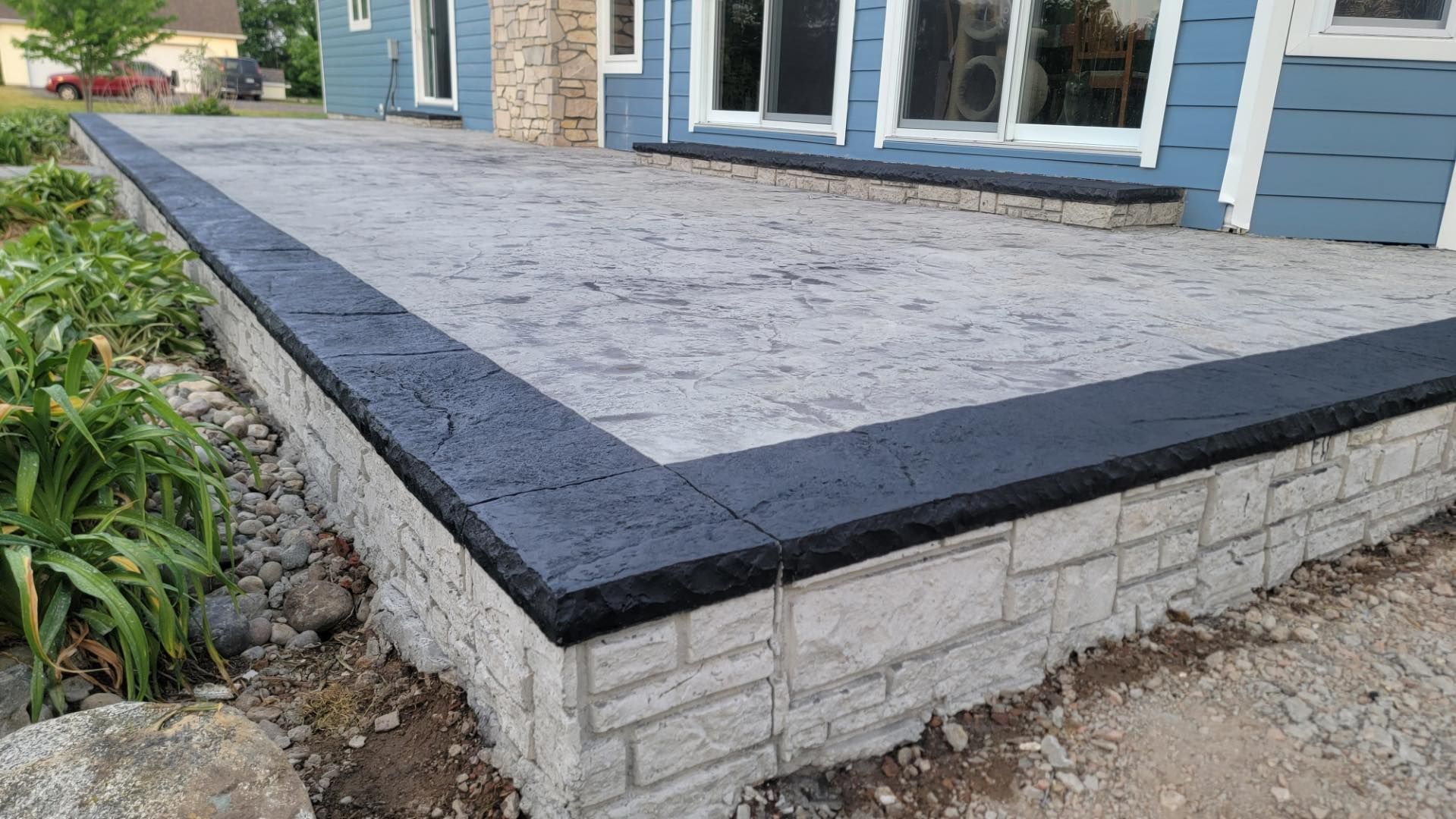
Preparation and Reinforcement Prevent Common Failures
You benefit from excavation that removes unstable topsoil and organic material, compacted stone base that provides uniform support, and welded wire mesh or rebar that holds sections together under stress. If the ground beneath the slab is not compacted evenly or if drainage is ignored, voids form and the surface cracks within a few freeze-thaw cycles. King Building & Development uses techniques that address these risks during the installation phase rather than relying on patching afterward.
After the concrete cures, you will notice a smooth, level surface with clean edges, predictable control joints that prevent random cracking, and proper slope that directs runoff toward yard areas or drainage systems. Surfaces remain stable underfoot and support vehicle weight without flexing or developing low spots. These results depend on accurate grading, correct concrete mix design for Michigan weather, and finishing techniques that create a dense, weather-resistant surface.
Projects may include garage slab replacement, driveway extensions, sidewalk installation, patio foundations, or structural concrete pads for outbuildings. The service does not include decorative stamping, staining, or epoxy coatings, though surfaces can be finished to accept those treatments later. Integration with landscaping or drainage systems is coordinated when projects involve grading changes or new construction adjacent to the concrete work.
Questions About Concrete Installation and Performance
Property owners often ask about timing, material choices, curing requirements, and how to avoid problems that show up months after installation. The answers below address the practical concerns that affect long-term performance.
How long does concrete need to cure before it can support vehicle traffic?
Concrete reaches sufficient strength for light vehicle traffic in seven days, but full cure takes about 28 days, so avoid heavy loads or sharp impacts during that period.
What causes concrete to crack even when it looks properly installed?
Cracking usually results from inadequate base preparation, insufficient reinforcement, or lack of control joints that guide where cracks form naturally as concrete shrinks during curing.
Why does subgrade compaction matter for residential slabs?
Uncompacted soil settles unevenly under the weight of concrete, creating voids that allow sections to drop and crack, particularly where water infiltrates and softens the base material.
When is the best time of year to pour concrete in Sterling Heights?
Late spring through early fall provides consistent temperatures that support proper curing, though cold-weather pours are possible with blankets and additives when scheduling requires winter work.
What thickness is required for a residential driveway?
Most driveways are poured at four inches thick with a compacted aggregate base, though areas expecting heavy vehicles or unstable soil may require six-inch thickness and additional reinforcement.
King Building & Development completes concrete projects across Macomb County with attention to site-specific conditions that affect durability. Discuss your project requirements and site layout to receive a detailed estimate and construction timeline.